
Does ceramic coating prevent scratches?
Understanding Ceramic Coating and Scratch Protection
Ceramic coating is a popular option for drivers who want a cleaner-looking vehicle and stronger car paint protection than wax alone can usually provide. It creates a durable, slick layer over the paint that helps resist water, dirt, UV exposure, and some chemical contamination. But when it comes to scratches, expectations matter: ceramic coating can reduce certain marks, but it does not make paint scratch-proof.
Does ceramic coating prevent scratches?
No, ceramic coating does not fully prevent scratches. It can help reduce the risk of light surface marring from washing, drying, dust, and minor contact, but it will not stop rock chips, key marks, parking-lot scuffs, or deep abrasions. The simplest answer to “Does ceramic coating prevent scratches?” is this: it adds a protective layer, but it is not armor.
Think of ceramic coating as a sacrificial barrier. Instead of contaminants bonding directly to the clear coat, they interact with the coating first. That barrier can make the paint easier to clean and less vulnerable to everyday wear, but sharp objects, heavy pressure, or improper washing can still cut through or damage the surface.
What ceramic coating actually does
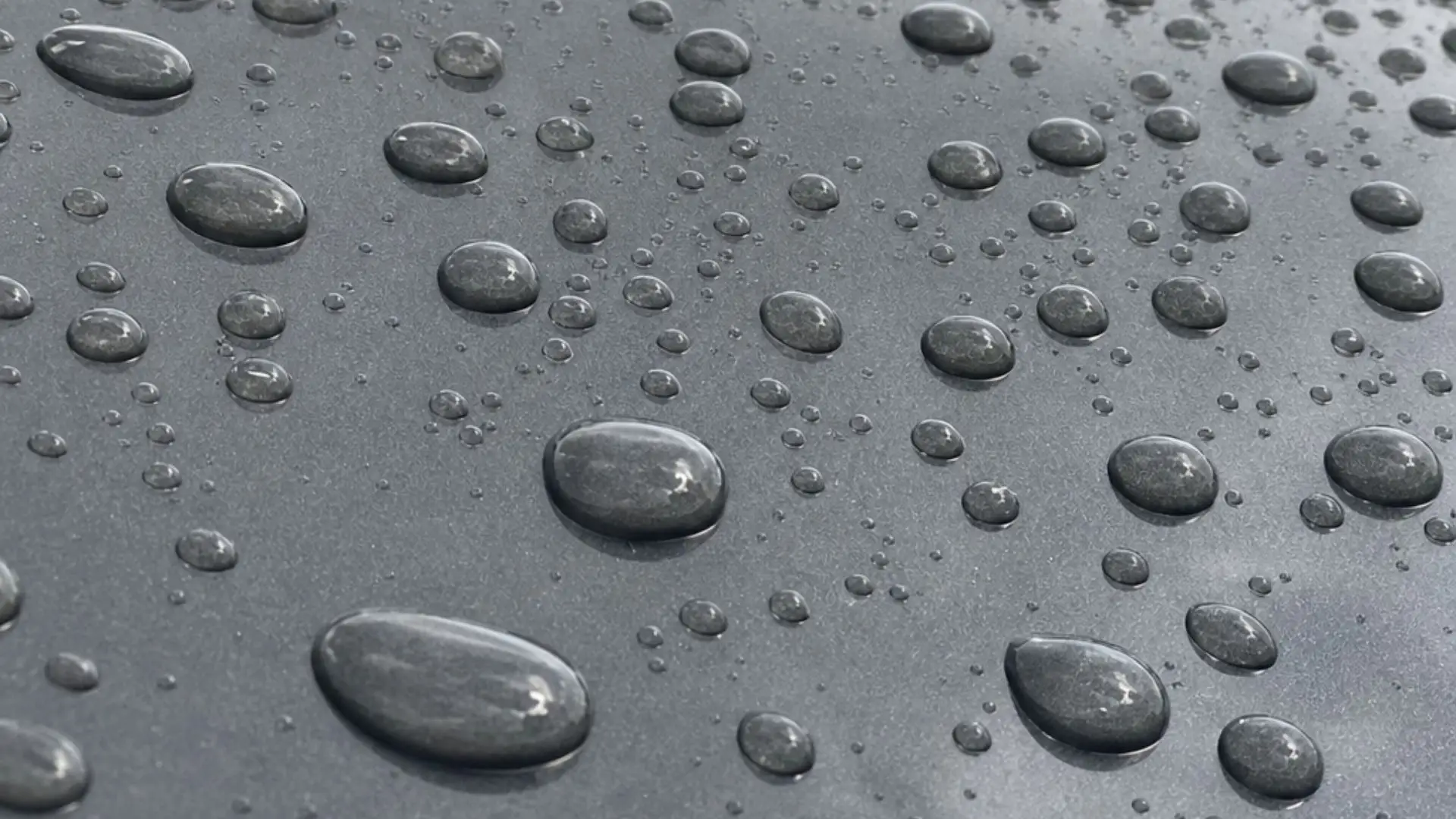
A ceramic coating is a liquid polymer applied to exterior vehicle surfaces, most commonly painted panels. After curing, it bonds with the surface and forms a hard, hydrophobic layer. This slickness is one of the biggest ceramic coating benefits because water, mud, and road grime have a harder time clinging to the vehicle.
The coating also helps protect against environmental contaminants such as bird droppings, bug residue, tree sap, road film, and UV exposure. These materials can stain, etch, or dull paint if left sitting too long. A coated vehicle still needs regular washing, but cleaning is often easier because dirt releases more readily.
Scratch protection has limits
Ceramic coating can help with very light swirl marks, especially those caused by dust dragging across the paint during routine washing. However, many scratches happen because of friction, grit, or impact. If a dirty sponge, automatic brush wash, rough towel, or fingernail presses hard enough into the surface, the coating may not be enough to prevent visible damage.
This is where many vehicle owners get disappointed. They hear “hard coating” and assume it means scratch-proof paint. In reality, hardness improves resistance to minor surface wear, but it does not eliminate the need for careful maintenance. For stronger physical impact protection, paint protection film is usually the better fit for high-risk areas like the front bumper, hood, mirror caps, and door edges.
Ceramic coating benefits beyond scratch resistance
Even though scratch protection is limited, ceramic coating still offers meaningful value for many drivers. The benefits are especially noticeable for vehicles exposed to sun, rain, road salt, pollen, and daily commuting grime.
Key advantages include:
Easier washing: The slick surface helps dirt and road film release with less effort.
Hydrophobic behavior: Water beads and sheets off more quickly, helping the vehicle stay cleaner between washes.
UV resistance: A coating can help slow oxidation and fading caused by sunlight.
Chemical resistance: Bird droppings, bug splatter, and other contaminants are less likely to bond directly to the clear coat.
Enhanced gloss: Properly prepared paint often looks deeper, smoother, and more reflective after coating.
Longer-lasting protection than wax: Ceramic coatings generally last longer than traditional waxes or sealants when maintained correctly.
These ceramic coating benefits are strongest when the paint is properly washed, decontaminated, and corrected before application. A coating locks in the condition of the surface underneath, so applying it over swirl marks, oxidation, or embedded grime will not magically fix those issues.
How to get better car paint protection
The best results come from matching the protection method to the risk. Ceramic coating is excellent for gloss, cleaning ease, and environmental resistance. Paint protection film is stronger for physical impact. Good wash habits protect both.
For smarter car paint protection, follow these practical steps:
Start with paint correction if needed. Remove swirls, haze, and light defects before coating so the finish looks its best.
Use safe washing methods. Rinse thoroughly, use quality wash mitts, and avoid dragging dirt across the paint.
Dry with clean microfiber towels or filtered air. Rough towels and leftover grit are common causes of fine scratches.
Avoid automatic brush washes. They can create swirls even on coated vehicles.
Consider film for impact zones. Use paint protection film where road debris and chips are most likely.
Maintain the coating. Use pH-balanced soaps and recommended maintenance products to preserve performance.
Signs ceramic coating may be right for you
Ceramic coating makes sense if you want your car to stay cleaner, look glossier, and resist environmental contamination with less effort. It is a strong choice for daily drivers, garage-kept vehicles, weekend cars, and anyone who enjoys a freshly detailed appearance.
It may not be the best standalone solution if your main concern is heavy scratching, gravel damage, or frequent contact in tight parking spaces. In those cases, combining ceramic coating with paint protection film may offer a more complete approach. The coating improves maintenance and appearance, while the film handles tougher physical abuse.
Frequently asked questions
Ceramic coating can reduce light wash-related marring, but it cannot guarantee protection from scratches caused by dirty brushes, harsh towels, or improper technique. Touchless washes are safer than brush washes, but careful hand washing is usually best.
No. Rock chips are impact damage, and ceramic coating is too thin to absorb that kind of force. Paint protection film is a better option for areas exposed to road debris.
It may slightly improve gloss, but it will not remove scratches. Visible defects should be polished or corrected before the coating is applied.
Use a pH-balanced car shampoo, clean microfiber mitts, and gentle drying towels. Rinse loose dirt first and avoid circular scrubbing with pressure.
Yes, if the paint is still in good condition or can be corrected first. A coating can improve gloss and make maintenance easier, but it will not restore severely damaged paint by itself.
The takeaway
Ceramic coating is a smart upgrade for appearance, maintenance, and everyday environmental protection, but it should not be sold or understood as scratch-proofing. If you are asking, “Does ceramic coating prevent scratches,” the honest answer is that it helps with light surface wear while deeper damage still requires careful habits or additional protection. For the best outcome, pair realistic expectations with proper preparation and maintenance.
Ready to protect your vehicle’s finish? Contact a trusted detailing professional to discuss the right ceramic coating and paint protection plan for your car.