
Can ceramic coating stop rock chips?
Ceramic coating can make your vehicle easier to clean, glossier, and more resistant to light surface contaminants, but it is not designed to stop rock chips. If you are asking, “Can ceramic coating stop rock chips?” the honest answer is no—not by itself. A quality auto ceramic coating can help protect paint from UV exposure, grime, water spots, and minor chemical staining, but impact damage from gravel and road debris usually requires a thicker physical barrier or rock chip repair after the damage happens.
Does ceramic coating protect against rock chips?
Ceramic coating does not reliably protect against rock chips because rock chips are caused by physical impact, not just surface contamination. A vehicle ceramic coating bonds to the paint at a very thin level, creating a slick, durable surface, but it does not have the thickness or impact absorption needed to stop a sharp stone from nicking the paint. That means ceramic coating rock chips can still happen, especially on the front bumper, hood, fenders, mirrors, and lower panels.
Think of ceramic coating as a protective finish, not armor. It helps reduce how strongly dirt, bugs, brake dust, and other contaminants cling to the surface. It can also make washing safer because there is less friction when grime releases more easily. But when a rock hits the paint at speed, the coating is usually too thin to absorb that force.
This is why the question “does ceramic coating protect against rock chips” needs a clear distinction: it protects against many everyday paint stressors, but not heavy impact damage. For drivers who regularly use freeways, canyon roads, construction zones, or busy Los Angeles streets, this distinction matters before investing in paint protection.
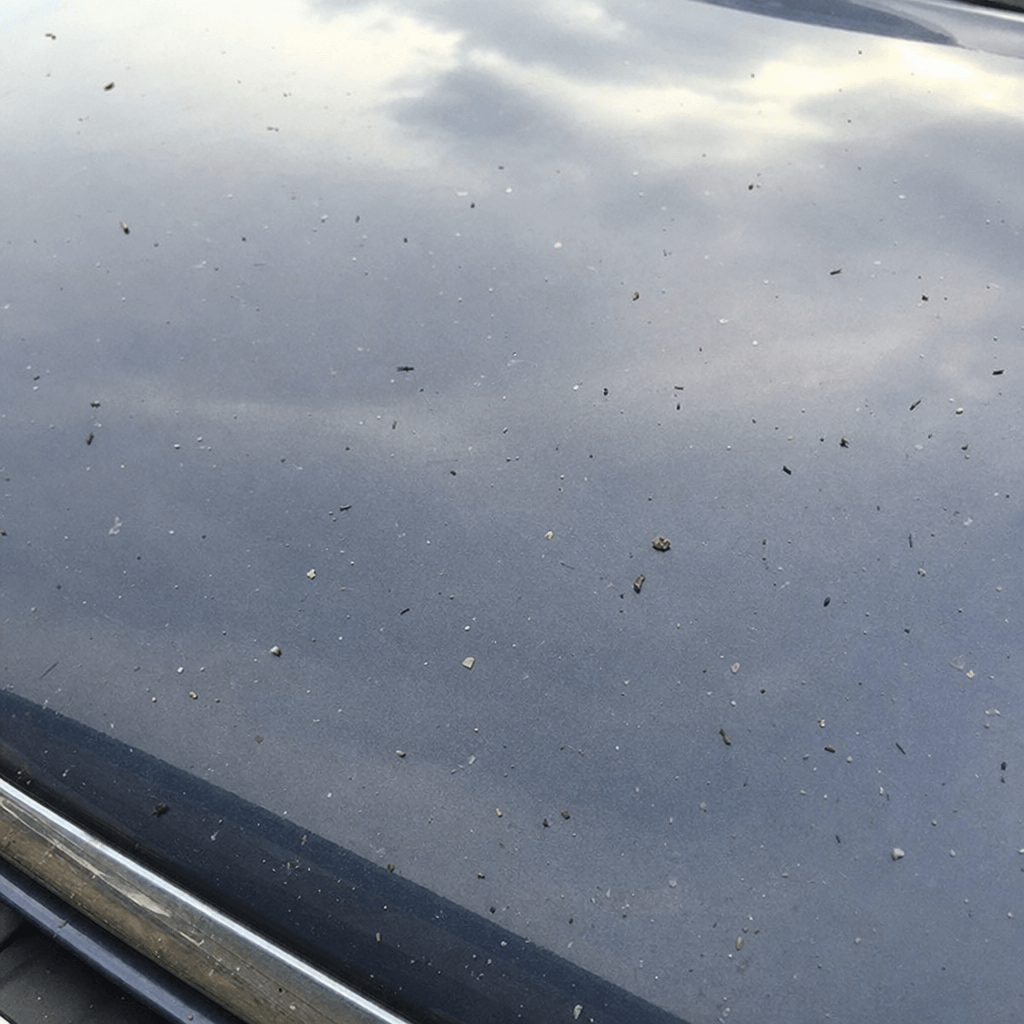
What ceramic coating actually does for your paint
Ceramic coating is a liquid-applied protective layer that chemically bonds with the vehicle’s painted surfaces. Once cured, it creates a hydrophobic finish, meaning water tends to bead and roll off more easily. That slick surface is one of the most noticeable ceramic coating benefits because it helps the vehicle stay cleaner between washes and makes maintenance feel less frustrating.
A properly installed coating may help defend against common environmental exposure such as bird droppings, bug splatter, tree sap, road film, and harsh sunlight. These contaminants can still land on the paint, but they are often easier to remove before they cause staining or etching. The coating gives you more margin for routine care, especially if you wash your vehicle consistently.
The visual benefit is also a major reason drivers choose auto ceramic coating. It can enhance gloss, depth, and reflectivity, making clean paint look richer and more polished. However, the final appearance depends heavily on paint preparation. If swirls, oxidation, or defects are sealed under the coating, they may remain visible.
Key ceramic coating benefits
Easier washing: Dirt and grime have a harder time sticking to the slick coated surface.
Hydrophobic behavior: Water beads and sheets off more readily, helping reduce standing moisture.
Gloss enhancement: Well-prepped paint can look deeper, cleaner, and more reflective.
Chemical resistance: The coating can help reduce damage from certain contaminants when they are removed promptly.
UV support: Coatings can help limit oxidation and fading caused by routine sun exposure.
Lower maintenance effort: The vehicle still needs care, but regular cleaning is usually easier.
These benefits are real, but they work best when expectations are realistic. Ceramic coating is about preservation and easier maintenance, not making paint immune to scratches, dents, or chips.
Why rock chips happen in the first place
Rock chips occur when small stones, gravel, asphalt fragments, or construction debris strike the vehicle’s painted surface with enough force to break through the clear coat and sometimes the color coat underneath. The faster your vehicle or the vehicle ahead of you is moving, the more force that debris can carry. Even a tiny pebble can create a visible chip when it hits the front of a car at highway speed.
The most vulnerable areas are usually the front-facing panels. Hoods, bumpers, mirror caps, front fenders, rocker panels, and lower doors take the most abuse because they meet debris first. Dark paint colors may show chips more clearly, while lighter colors may hide them better until rust, staining, or dirt collects in the damaged area.
Rock chips are also frustrating because they often appear randomly. You can keep your vehicle clean, park carefully, and drive responsibly, yet still pick up chips from traffic or loose road surfaces. This is why paint protection planning should match your driving environment rather than relying on one product to solve every problem.
The better solution for impact protection
If your main concern is rock chip prevention, consider pairing ceramic coating with paint protection film. Paint protection film, often called PPF, is a thicker transparent layer applied to high-impact areas. Unlike ceramic coating, film provides a physical barrier that can absorb some impact from road debris before it reaches the paint.
Many vehicle owners choose PPF for the front bumper, partial hood, full hood, fenders, mirrors, and rocker panels. Ceramic coating can then be applied over painted surfaces and, in some cases, over compatible film to add gloss, slickness, and easier cleaning. This combination gives you a more complete approach: film for impact resistance and coating for maintenance and environmental protection.
That does not mean every vehicle needs full coverage. A daily driver that spends most of its time on city streets may need less film than a performance car, luxury vehicle, or commuter that sees heavy freeway miles. The right setup depends on your budget, driving habits, paint condition, and how long you plan to keep the vehicle.
Ceramic coating vs. paint protection film
Protection need | Ceramic coating | Paint protection film |
|---|---|---|
Gloss enhancement | Strong benefit | Can help, depending on film finish |
Easier washing | Strong benefit | Moderate to strong benefit |
Water beading | Strong benefit | Varies by film or top coating |
UV and contaminant resistance | Strong benefit | Moderate to strong benefit |
Rock chip resistance | Limited | Better suited for impact |
Best use | Whole-vehicle finish protection | High-impact panel protection |
For many drivers, the smartest answer is not ceramic coating or film. It is using each product for what it does best.
What should you do if you already have rock chips?
If your vehicle already has chips, address them before applying a ceramic coating. Coating over damaged paint does not repair the chip, refill missing paint, or make the defect disappear. In fact, because coatings enhance gloss and clarity, they may make neglected paint damage easier to notice in certain lighting.
Rock chip repair typically involves cleaning the damaged area, applying matching touch-up paint when appropriate, leveling or refining the repair if needed, and protecting the area afterward. The exact process depends on the size, depth, and location of the chip. A shallow clear coat nick is very different from a chip that exposes primer or bare metal.
If the damage is widespread, a professional inspection is helpful. Some chips can be improved with touch-up work, while deeper or larger damage may require more involved refinishing. After repairs and proper curing, a vehicle ceramic coating can help preserve the surrounding finish and make future cleaning easier.
A practical protection plan
Inspect the paint first. Look for chips, scratches, water spots, oxidation, and swirl marks before choosing protection.
Repair visible damage. Handle rock chip repair before sealing the paint under a coating.
Correct the paint if needed. Polishing can improve gloss and clarity before coating installation.
Use PPF on impact zones. Add film where rocks and debris are most likely to hit.
Apply ceramic coating for maintenance. Use coating to improve slickness, gloss, and contaminant resistance.
Wash correctly. Gentle washing helps preserve both coating performance and paint appearance.
This layered approach prevents disappointment. Instead of expecting one product to do everything, you build protection around real-world risks.
Why choose Ceramic Coating Pros of Los Angeles
Ceramic Coating Pros of Los Angeles is a relevant choice for drivers who want guidance on paint protection in a demanding local environment. Los Angeles driving can expose vehicles to freeway debris, intense sunlight, coastal air, dust, traffic film, and frequent stop-and-go conditions. Choosing a provider that focuses on ceramic coating helps you get a service recommendation that matches how and where you actually drive.
A strong ceramic coating service should begin with honest expectations. That means explaining what coating can do, what it cannot do, and when rock chip repair or film may be the better solution. Ceramic Coating Pros of Los Angeles can be positioned as a helpful option for vehicle owners who want clarity before committing to paint protection, especially if they are weighing ceramic coating benefits against impact protection needs.
The advantage of working with a coating-focused provider is the attention to preparation and aftercare. Paint inspection, surface preparation, and maintenance guidance all influence the final result. When you are investing in auto ceramic coating, the product matters, but the process matters just as much.
Frequently Asked Questions
No. Ceramic coating cannot completely stop rock chips because it is not thick enough to absorb hard impacts from stones or road debris. It can help with gloss, cleaning, and contaminant resistance, but impact protection usually requires paint protection film.
Yes, in many cases, ceramic coating can be applied after rock chip repair, as long as the repair has properly cured and the surface is prepared correctly. The coating helps protect the surrounding finish, but it will not hide a poorly repaired chip.
Yes, ceramic coating can still be worthwhile for freeway drivers because it makes cleaning bugs, grime, and road film easier. However, if rock chips are your biggest concern, consider adding paint protection film to the front-facing areas.
Ceramic coating may help reduce very light wash-related marring, but it will not prevent deeper scratches from keys, branches, automatic brushes, or abrasive contact. Safe washing habits are still important.
The takeaway on ceramic coating and rock chips
Ceramic coating is a valuable paint protection option, but it is not a rock chip shield. The best way to think about it is simple: ceramic coating protects the finish from environmental stress and makes maintenance easier, while paint protection film is better for physical impact. If your paint already has chips, start with rock chip repair, then choose the right protection plan for your driving habits.
For a cleaner, glossier, easier-to-maintain vehicle, ceramic coating can be an excellent investment. For rock-heavy roads and freeway commuting, combine it with targeted impact protection where it matters most.
Ready to protect your vehicle with the right solution instead of guessing? Contact Ceramic Coating Pros of Los Angeles to discuss your paint condition, driving habits, and the best ceramic coating or protection plan for your car.